
City of Bones: When BookTok Can’t Decide If You’re Harry Potter in a Leather Jacket or Just Derivative Fanfic
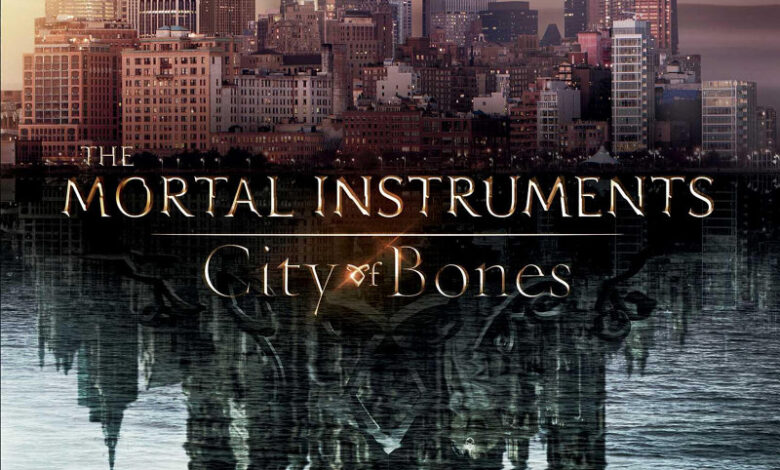
I spent the week digging through thousands of reviews, Reddit threads, and Goodreads debates about Cassandra Clare’s City of Bones, and let me tell you something: this book doesn’t inspire lukewarm reactions. People either worship at the altar of Jace Wayland or they’re writing thousand-word dissertations about why this book is a Harry Potter/Star Wars mashup wearing a leather jacket. There’s no middle ground.
What caught my attention about this one? The sheer volume of discourse. We’re talking 82,500+ Goodreads reviews, a failed movie adaptation, a multi-season TV series, and fan communities that have been arguing about the same plot twist for almost twenty years. If you’re looking for a book that inspired passionate debate, you found it.
The Intel
- Book: City of Bones (The Mortal Instruments #1)
- Published: 2007
- Series: 6 books in The Mortal Instruments series
- Goodreads: 4.13/5 (82,500+ ratings)
- Amazon: 4.5/5 (25,300+ reviews)
- Audiobook: Available on Audible, narrated by Mae Whitman (multiple versions exist)
- Genre: Urban fantasy, young adult, paranormal romance
What I Found
I tracked down reader discussions across Goodreads, Amazon reviews, Reddit’s r/books and r/YAlit communities, and what emerged was a pattern I haven’t seen with many other YA books: the discourse is split almost exactly down the middle, and both sides have encyclopedic receipts.
The Plagiarism Elephant in the Room
Let’s address what everyone’s thinking: the plagiarism controversy follows this book everywhere. Multiple Goodreads reviewers cite Clare’s fanfiction past, specifically the Draco Trilogy, where she allegedly lifted text from other authors without credit. One particularly detailed review breaks down character-by-character similarities to Harry Potter and Star Wars: “Jace is Draco Malfoy/Luke Skywalker, Valentine is Voldemort/Darth Vader, the Institute is Hogwarts meets Xavier’s School for Gifted Youngsters.”
Here’s what makes this interesting from a reporting standpoint: readers who acknowledge these similarities still love the book. Multiple five-star reviews open with “Yes, I know about the plagiarism allegations, but…” The borrowing doesn’t kill the appeal for a significant portion of the audience.
Jace Wayland: The Character Everyone Can’t Shut Up About
Search “Jace Wayland” on any platform and you’ll find readers either calling him “swoon-worthy perfection” or “an insufferable asshole who thinks he’s Han Solo.” One Reddit reviewer put it bluntly: “Jace isn’t even a real asshole. He’s a guy with daddy issues trying to act tough.” But that “fake tough guy with a tragic backstory” formula clearly works for the target demographic.
What’s fascinating? Rick Riordan—yes, that Rick Riordan—gave this book four stars on Goodreads and specifically praised the character work: “Clare constructed a vivid, believable parallel world with great characters, punchy dialogue, and a winning mix of humor, pathos and action.”
The Incest Plot Twist Everyone Regrets Reading
Multiple reviews mention the Jace/Clary “surprise, you’re siblings!” twist with visceral disgust. One Amazon reviewer wrote: “How dare you let them make out and then discover they’re related.” Another added: “I thought the point was to make teenage girls swoon, not make them want to upchuck.” The twist gets resolved in later books, but readers had to sit with that discomfort for an entire novel.
This is reader consensus: the Star Wars-style Luke/Leia twist was unnecessary and creepy, and Clare misjudged how her audience would react to romantic scenes between characters who turn out to be related.
The Writing Quality Debate Gets Granular
One Goodreads reviewer’s eleven-year-old niece highlighted grammatical errors, comma splices, and repeated word choices throughout her copy. The word “brindled” to describe wolves appears eight times. The metaphors and similes pile up until they become distracting. One reviewer said: “I used to like metaphors. Now they make me want to punch toddlers in the face.”
But other readers specifically praise the dialogue: “Clare’s strength is definitely in her dialogue. The conversations between characters are easy to follow and seem at least 80% realistic, which might seem low but dialogue in YA books is off a lot of the time.”
The Audiobook Factor
The audiobook narration by Mae Whitman gets mixed reviews. Some listeners say she did “a particularly craptastic job,” while others on Reddit specifically sought out recommendations for which audiobook version to choose. If you’re going audio, check samples first—narrator preference is highly subjective for this one.
My Analysis
This book’s survival is a masterclass in “controversy doesn’t kill franchises.” Despite plagiarism allegations, a bombed movie adaptation, and reviews that read like academic takedowns, City of Bones has sold millions of copies and spawned a 15+ book universe across multiple series. The passionate hatred fuels the discourse, which keeps the book visible.
The target demographic doesn’t care about the borrowing. Teenage readers discovering this book today weren’t in the Harry Potter or Star Wars fandoms when those properties were fresh. The “unoriginal” elements read as new to them. One recent review from 2025 said: “I was surprisingly into this book when I first started! The world-building is super creative and fun.”
Jace is doing exactly what Clare designed him to do. He’s a brooding, sarcastic, tortured pretty boy with a tragic past. The formula has worked since the Brontës. Readers who complain he’s “just Draco Malfoy” are missing the point—Draco was also a version of this archetype.
The series structure saved this book. Multiple negative reviews end with: “I’m going to read the next one anyway.” The cliffhanger hooks worked. Readers hated the incest twist but needed to know how it resolved. That’s effective (if manipulative) storytelling.
The worldbuilding carries the weak plot. Even harsh critics admit the Shadowhunter mythology is interesting. Demons, warlocks, vampires, werewolves, and a secret society of half-angel warriors protecting humanity—it’s a solid urban fantasy foundation. The execution has flaws, but the concept sells itself.
The Question Nobody’s Asking
Why did this book succeed where countless other “chosen one discovers secret magical world” YA novels failed? Simple: Clare built her audience first. She came to traditional publishing with an established fanbase from her fanfiction days. Love her or hate her, she understood community building before it was a marketing buzzword.
The Verdict
Read if: You want a fast-paced urban fantasy with snark, you don’t mind borrowed tropes, or you’re curious what inspired years of heated internet debates.
Skip if: You’re a stickler for originality, incest plot twists (even temporary ones) make you uncomfortable, or you can’t handle prose with more metaphors than a creative writing workshop.
Start with the audiobook if: You want to breeze through the weaker writing and focus on the characters and plot.
Fair warning: This is book one of six in The Mortal Instruments, and that’s just the beginning. Clare has written 15+ books in this universe across multiple series. You’re signing up for a commitment.
The Cocktail
For a book about half-angel demon slayers, I’m borrowing the Fallen Angel cocktail from Difford’s Guide—a gin-based sour with crème de menthe that dates back to Harry Craddock’s 1930 Savoy Cocktail Book. Craddock’s original note says: “It has never been made quite clear as to whether this is intended to be taken by the Angel before or after falling; as an encouragement or as a consolation.” Given Jace’s whole tortured fallen angel aesthetic, this tracks perfectly.
Ingredients: 1⅔ oz gin, ¾ oz fresh lemon juice, ⅛ oz crème de menthe, ½ oz rich simple syrup, 1 dash Angostura bitters. Shake with ice, strain into a coupe glass, garnish with mint.
The Bottom Line
Across Goodreads, Reddit, and Amazon, the consensus is split but passionate: readers either defend this book against all criticism or write thousand-word essays dissecting its flaws. Both camps agree the worldbuilding is solid, the dialogue is snappy, and Jace is exactly the kind of character teenage readers either love or love to hate. Whether that’s enough to overlook the originality issues and plot problems depends entirely on what you need from your YA urban fantasy.
Got intel on a book everyone’s talking about? Drop it in the comments. No BookTok trends, no “underrated gems” nobody’s actually reading. I cover books with receipts—viral buzz, review discourse, platform wars. If it’s not generating heat, I’m not wasting my time.
– The Cocktail Correspondent