
The STEM Romance That Launched a Thousand Arguments
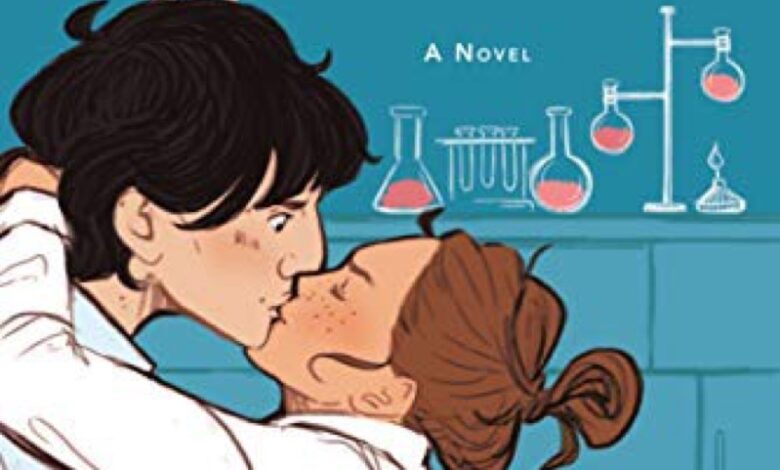
Here’s what caught my attention: a debut romance novel about a PhD student in a fake relationship with her grumpy professor that BookTok declared “the most swoon-worthy book ever” while actual scientists on Reddit tore it apart for bad lab practices. When a book inspires both swooning and peer review, I need to know what’s really happening.
The Love Hypothesis by Ali Hazelwood dropped in 2021 and immediately became the poster child for “STEM romance”—a subgenre where pipettes are sexy and fake dating happens in research labs. It’s been everywhere: BookTok, Instagram aesthetics, “if you like smart heroines” recommendation lists. The hook is simple: woman in STEM, fake dating, grumpy/sunshine dynamic. But the execution? That’s where opinions fracture.
Time to dig through what readers are actually saying about this one.
THE INTEL
Here’s what we’re working with:
- Book: The Love Hypothesis by Ali Hazelwood
- Published: September 14, 2021
- Series: Standalone (technically book 1, but works alone)
- Goodreads Rating: 4.15 stars with 930,000+ ratings and 198,000+ reviews
- Amazon: Available in paperback, hardcover, Kindle, and audiobook
- Audiobook: Narrated by Callie Dalton and Teddy Hamilton (11 hours 8 minutes)
- Genre: Contemporary romance, STEM romance, romantic comedy
- Tropes: Fake dating, grumpy/sunshine, workplace romance, age gap (professor/student)
WHAT I FOUND (THE LEGWORK)
I combed through reader reviews and romance community debates.goodreads.com/book/show/56732449-the-love-hypothesis”>Goodreads reviews, Amazon ratings, and Reddit debates on r/RomanceBooks and r/books. What emerged was a clear pattern: this book works brilliantly for some readers and crashes spectacularly for others, with almost no middle ground.
The “Swooned Into Next Week” Contingent
Goodreads reviewer Yun, a woman in STEM herself, gave it 5 stars: “Olive’s dialogues are witty and snarky, and she pretty much cracked me up from beginning to end…As a woman in STEM myself, it warms my heart to see someone like me take center stage in a romance.”
Multiple top reviews praise Hazelwood for highlighting the difficulties women face in male-dominated STEM fields. The representation resonated hard with readers who’d experienced being underestimated, passed over for opportunities, or treated as less-than by male colleagues and professors. For them, Olive Smith—PhD candidate in biology at Stanford—felt real.
The fake dating setup hits all the expected beats: Olive kisses a random guy in a hallway to convince her best friend she’s over her ex, random guy turns out to be Dr. Adam Carlsen (young, brilliant, terrifyingly grumpy neuroscience professor), and they agree to fake-date for mutual benefit. Fans of the trope ate it up. As one r/RomanceBooks reviewer noted, “Rating: 4.15 out of 5 stars…Topics: contemporary, fake relationship, college, funny, slow burn.”
The audiobook narrated by Callie Dalton gets consistent praise across platforms. Multiple Goodreads reviewers specifically mentioned Dalton’s performance elevating the material.
The “This Is Insufferable” Opposition
Then there’s the hate-read brigade, and they came prepared with receipts. Goodreads reviewer James gave it 1.5 stars and summarized: “there’s this thing in romance books where they have to hyperfocus on one of the man’s physical attributes and if it’s not the eyes it’s his fucking size. we get it. adam is big. HUGE. ENORMOUS. A FUCKING GIANT.”
The repetitive physical descriptions of Adam became a meme in the critical reviews. Readers started counting how many times per chapter they were reminded that Adam is tall, has big hands, drinks black coffee, and is generally Large™.
Another critical Goodreads review from Len pointed out: “Olive is a woman in STEM, but that is really all she is…Visually, I could envision Adam more than Olive, yet we spend the entire book in Olive’s mind.” The complaint was consistent: Olive felt more like a collection of quirks (Canadian, 5’8″, likes pumpkin spice lattes) than a fully realized person.
The inciting incident—kissing a stranger in a hallway to prove you’re over your ex—struck many readers as absurd. As a Reddit reviewer wrote: “It made no sense to me how a PhD student, one who is researching pancreatic cancer in one of the best Biology departments of the United States, would kiss a random man she saw in the hallway.”
The Miscommunication Problem
Across both positive and negative reviews, readers agreed on one thing: the miscommunication trope was heavy-handed. Characters who could have resolved conflicts with a single conversation instead spiraled for chapters. James on Goodreads summed it up: “this book could have been 350 pages shorter if they had just talked to each other.”
Platform-Specific Buzz
BookTok made this book massive. The aesthetic (STEM girl + grumpy professor + cute cover), combined with short emotional reaction videos, drove sales into the stratosphere. Search “Love Hypothesis BookTok” and you’ll find thousands of posts.
Reddit is where STEM readers congregate to debate whether the science is accurate. Spoiler: opinions vary wildly. Some PhD students said it felt realistic; others said the lab descriptions were laughably wrong.
Amazon reviews skew more positive than Goodreads, likely because BookTok fans are buying directly there. The audiobook in particular has glowing reviews for Callie Dalton’s narration.
What’s MISSING
No significant critical media coverage. Despite massive sales, this stayed firmly in the romance reader ecosystem. Mainstream book review outlets didn’t touch it, which tells you how the publishing establishment views romance—no matter how well it sells.
MY ANALYSIS (BASED ON THE EVIDENCE)
The representation mattered more than the execution. For women in STEM who rarely see themselves as romance heroines, Olive Smith was a revelation—even if the characterization was thin. The validation of “someone like me gets the hot guy” outweighed craft concerns for a significant chunk of readers.
It’s Reylo fanfic with a lab coat. Multiple reviews noted that this reads like Star Wars fanfiction (specifically Reylo—Rey and Kylo Ren). Hazelwood has been open about being a fanfic writer, and the DNA shows. If you love that style, you’ll love this. If you find fanfic prose cringy, you’ll struggle.
The tropes do the heavy lifting. Fake dating + grumpy/sunshine + workplace tension = a romance formula that works even when the execution is shaky. Readers who love those tropes will forgive a lot. Readers who need character depth won’t.
The audiobook is the superior format. Callie Dalton’s narration consistently gets mentioned as elevating the material. She smooths over repetitive prose and adds emotional nuance that apparently doesn’t land as well on the page.
BookTok aesthetics drove discovery. This book succeeded because it photographs well, has easily quotable moments, and fits the “smart girl gets swoony romance” narrative that performs on short-form video. The marketing aligned perfectly with the platform.
THE QUESTION NOBODY’S ASKING
Why did a debut author outsell established romance writers by millions of copies?
Ali Hazelwood was a neuroscience PhD student who wrote fanfiction and pivoted to publishing one original novel. It became a cultural phenomenon that spawned multiple sequels and imitators. What did she do that the romance establishment didn’t? She understood her audience (BookTok), delivered exactly what they wanted (STEM girl gets hot professor), and packaged it in an aesthetic that went viral. Traditional publishing didn’t create this success—readers did.
THE VERDICT
Read if: You love fake dating, grumpy/sunshine dynamics, or seeing women in STEM as romance leads. You can overlook repetitive prose if the emotional beats land.
Skip if: You need fully developed characters, hate miscommunication tropes, or find fanfic-style writing grating.
Start with the audiobook if: You’re going in at all—Callie Dalton’s narration is universally praised and apparently fixes a lot of the prose issues.
Fair warning: This will either be your favorite comfort read or a hate-read you can’t stop complaining about. There is no in-between.
THE COCKTAIL
The Hypothesis
(Testing whether you can make a drink as repetitive as the descriptions of Adam’s size)
- 2 oz espresso (because Adam only drinks black coffee, as you’ll be reminded 47 times)
- 1 oz coffee liqueur (more coffee, naturally)
- 1 oz vodka (strong and clear, like Olive’s supposedly brilliant mind)
- Pumpkin spice foam topper (Olive’s signature drink that Adam pretends to hate)
- Garnish: a tiny plastic beaker (STEM aesthetic for Instagram)
Shake espresso, liqueur, and vodka with ice. Strain into a coupe glass. Top with pumpkin spice foam. The coffee is overkill, the foam is performative, and you’ll either love it or wonder why anyone drinks this.
Tasting notes: Bitter with an Instagram-friendly topping. Tastes like it was designed for virality rather than actual enjoyment.
THE BOTTOM LINE
The Love Hypothesis is a polarizing STEM romance with 4.15 stars on Goodreads from 930,000+ ratings. Fans love the representation and tropes; critics hate the repetitive prose and thin characterization. The audiobook with Callie Dalton is the recommended format. Reddit debates whether the science is realistic.
Got a book that divided BookTok and Reddit into warring factions? Drop the links below. I track buzz and controversy, not personal opinions. Vague “everyone’s talking about it” claims get ignored. Bring receipts.