
When The Entire Internet Changes Its Mind About Your Book
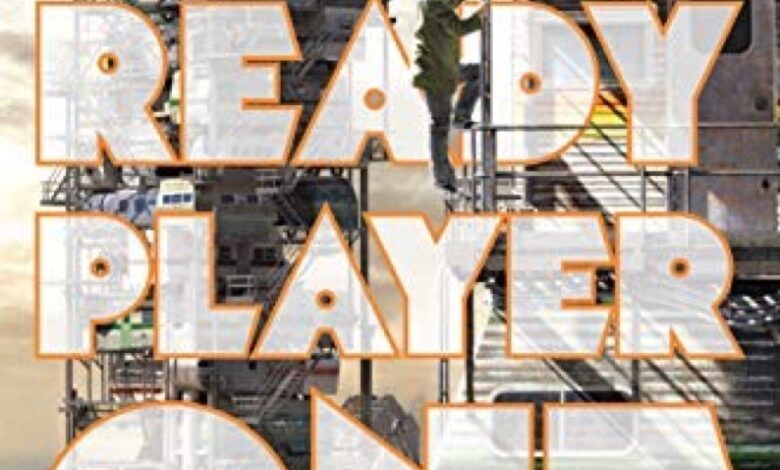
Here’s the phenomenon I tracked down: a sci-fi novel that got universal five-star reviews from NPR, The New York Times, and major authors in 2011, then became the poster child for “actually this is terrible” by 2018. When thousands of readers collectively realize they were wrong about loving something, I need to understand what shifted.
Ready Player One by Ernest Cline dropped in 2011 as the ultimate love letter to ’80s geek culture. Wil Wheaton narrated the audiobook. Steven Spielberg directed the 2018 movie. It sold millions. Everyone loved it.
Then everyone stopped loving it. Aggressively.
Reddit threads from 2021 and 2023 ask explicitly: “Why has the opinion flipped so hard on Ready Player One?” and “Ready Player One is a terrible, horrible, no good, very bad novel.” These posts have thousands of upvotes and comments.
Time to dig through what caused the collective re-evaluation.
THE INTEL
Here’s what we’re working with:
- Book: Ready Player One by Ernest Cline
- Published: August 16, 2011
- Series: Standalone (sequel Ready Player Two published 2020)
- Goodreads Rating: 4.28 stars with 720,000+ ratings and 72,000+ reviews
- Amazon: Available in hardcover, paperback, Kindle, and audiobook
- Audiobook: Narrated by Wil Wheaton (iconic for the target audience)
- Genre: Sci-fi, dystopian, cyberpunk
- Movie: 2018 Spielberg adaptation
- Core premise: 2045 dystopia where everyone escapes into VR world OASIS; dead creator left $240 billion prize hidden in ’80s trivia hunt
WHAT I FOUND (THE LEGWORK)
I researched the opinion shift across Goodreads, Amazon, and Reddit.goodreads.com/book/show/9969571-ready-player-one”>72,000+ Goodreads reviews, Amazon ratings, and multiple Reddit threads documenting the opinion shift. The pattern is stark: early reviews are glowing, later reviews are scathing, and everyone’s trying to figure out what changed.
The 2011-2015 “Best Thing Ever” Era
Initial reception was euphoric. NPR, The New York Times, Wired—everyone praised it. Goodreads reviewer Rick documented: “Back in 2011, Ready Player One was, perhaps, the year’s most well-reviewed book. It received glowing commendations from…John Scalzi, Patrick Rothfuss, and many, many more. It maintains a 4.3 average score on Goodreads.com.”
The appeal was clear: fast-paced treasure hunt through ’80s pop culture references, underdog protagonist, virtual reality adventure. For Gen X readers, it was a nostalgia hit. For younger readers discovering ’80s culture, it was a fun gateway.
The audiobook narrated by Wil Wheaton became legendary. Wheaton (Star Trek: TNG, The Big Bang Theory) was THE perfect narrator for a book about ’80s geek culture—he literally lived it as a teen actor in that era.
The 2016-2023 “Wait, This is Actually Bad” Reckoning
Then something shifted. A 2021 Reddit post titled “Ready Player One is a terrible, horrible, no good, very bad novel” got 5,000+ upvotes. Comments agreed en masse.
Another 2023 thread asked directly: “Why has the opinion flipped so hard on Ready Player One?” Top comment: “Because it’s bad. Now, a lot of things are bad but this is a bad that is rooted in a cultural manipulation…It also doesn’t help that Ernest Cline is a New York Times best selling incel who writes creepy poetry.”
Goodreads reviewer Kemper wrote a dialogue-based review (later downgrading from 3 to 1 star) addressing the core problem: “I’ve got a personal pet peeve against people trying to live in the past and since this book is nostalgia porn, the basic premise did rub me the wrong way.”
He added: “We got older and then the media started catering to us by going for nostalgia trips on everything from trying to remake the Knight Rider TV show to shitty movies like The Transformers and G.I. Joe to the goddamn Smurfs. I’m tired of it in 2011.”
The “It’s Just A List” Criticism
The most repeated complaint: this isn’t storytelling, it’s name-dropping. Reviewer Rick’s detailed takedown noted: “95% of it serves no actual purpose aside from simply mentioning it…these devolve into ceaseless, meaningless throwbacks…It’s sort of like when your socially-awkward friend resolutely recounts a super-sweet TV show for you, word for word, and all you can do is just sit there and wait until he’s finished. Pay $20 for that experience and you get Ready Player One.”
Multiple reviews describe reading it as sitting through someone listing things they remember from the ’80s without context or analysis. The references don’t serve the story—they ARE the story.
The Mary Sue Problem
Rick’s review called it “a pat on the back to an 18-year-old Cline, a Stephanie-Meyer-eclipsing Mary Sue that attempts to justify the behavior of an overweight, socially awkward, virginal nerd.”
Protagonist Wade Watts is a poor, overweight loner whose encyclopedic knowledge of ’80s trivia makes him the Chosen One. He’s smarter than everyone, wins the girl, gets $240 billion. The book validates that knowing obscure Atari games makes you superior.
As one reviewer noted: “This is a book about an overweight, unattractive, lazy, delusional, uber-geek elitist, who believes—truly believes—that his knowledge of 80s trivia makes him superior. And Cline basically affirms this!”
What Killed The Love
Several factors converged:
1. The 2018 Spielberg movie reminded people the book existed. Many rewatched/reread and realized it didn’t hold up.
2. Ready Player Two (2020) was universally panned, making readers re-evaluate whether Cline was ever good or if we just got caught up in hype.
3. Cultural exhaustion with nostalgia. Reddit discussions note that by 2018-2023, endless reboots/remakes made the nostalgia-porn premise feel exhausting rather than fun.
4. Recognition that it’s “bad Neuromancer fan fiction.” One Reddit comment summarized: “Ready Player One is basically Ernest Cline writing absolutely terrible fanfiction of William Gibson’s work, specifically Neuromancer.”
Platform-Specific Intelligence
Reddit: Multiple highly-upvoted threads dissecting why everyone changed their minds. The consensus: we were blinded by nostalgia and fun pacing, then realized it had nothing beneath the references.
Goodreads: Early reviews (2011-2015) are five stars. Later reviews (2018+) are increasingly harsh. Many reviewers note updating their rating down years after first reading.
The Creepy Poem: Cline wrote a spoken-word poem called “Nerd Porn Auteur” that resurfaced online, showing deeply problematic views about women. This context made readers reassess the book’s gender politics.
MY ANALYSIS (BASED ON THE EVIDENCE)
Nostalgia clouded judgment initially. Gen X readers got hit with their childhood and gave it a pass on craft. Younger readers thought “learning about the ’80s” was enough. By 2018, the novelty wore off and people noticed the actual writing.
It’s a product of a specific cultural moment. In 2011, nostalgia reboots were still relatively fresh. By 2023, after a decade of Marvel movies, Stranger Things, and endless ’80s callbacks, readers were exhausted with the formula Cline helped popularize.
The movie paradoxically hurt the book. Spielberg’s adaptation was fine, not great. Seeing the story visualized made people realize how thin it was. The book works better when your imagination fills gaps.
Wil Wheaton’s audiobook probably saved it. Multiple comments note the audiobook being more tolerable because Wheaton’s enthusiasm carries you through the weak prose and endless lists.
Critical reevaluation is generational. Millennial and Gen Z readers who picked it up post-2018 see it as cringe-inducing boomer (technically Gen X) nostalgia. The target audience aged out of defending it.
THE QUESTION NOBODY’S ASKING
Why didn’t anyone notice these problems in 2011?
The answer: we did. Kemper’s review is from 2011 and already identified the nostalgia-porn problem. But those critical voices got drowned out by hype and Gen X readers desperate for validation. The internet just took a decade to catch up to what a few readers saw immediately.
THE VERDICT
Read if: You’re 40+ and want a fast nostalgia hit, you love treasure hunts and don’t care about character development, or you’re studying how collective taste shifts over time.
Skip if: You’re exhausted by nostalgia culture, you expect science fiction to do more than reference old movies, or you’ve read actual cyberpunk and will notice this is watered-down Neuromancer.
Listen to Wil Wheaton’s audiobook instead of reading if: You’re going for it—his narration reportedly makes the endless lists more tolerable.
Fair warning: Reddit explicitly asks “Why has the opinion flipped so hard?” There’s a reason. The zeitgeist moved on.
THE COCKTAIL
The Nostalgia Bomb
(Tastes great at first, leaves you with regrets)
- 2 oz spiced rum (for the ’80s Pirates of the Caribbean aesthetic)
- 1 oz peach schnapps (sweet and dated, like the references)
- 3 oz orange juice (Florida vibes, aka where old people retire to reminisce)
- Splash of grenadine (makes it look prettier than it is)
- Garnish with a maraschino cherry (the most ’80s garnish possible)
Mix and serve. First sip is fun and nostalgic. By the bottom of the glass, you’re questioning your choices. Next morning, you wonder why you thought this was a good idea.
Tasting notes: All sugar, no substance. Fun in the moment, regrettable in retrospect.
THE BOTTOM LINE
Ready Player One is a 2011 sci-fi novel with 4.28 stars on Goodreads from 720,000+ ratings that underwent massive reevaluation. Multiple Reddit threads document collective opinion shift from “best thing ever” to “nostalgia porn with no substance.” Wil Wheaton audiobook reportedly superior to print. Spielberg movie reminded everyone the book existed, triggering reassessment.
Got a book where the entire internet changed its mind years later? Drop the links showing the opinion shift timeline. Vague “people used to like it” claims get ignored. Bring dated receipts.