The Book That Invented the Future (And Made Readers Suffer For It)
Alright, here’s what caught my attention: Neuromancer by William Gibson keeps showing up in every “essential cyberpunk” list, every “books that predicted the internet” thread, and half the conversations about AI in fiction. Published in 1984—yes, that Orwellian year—this book supposedly invented cyberspace, coined the term “console cowboy,” and launched an entire genre. I dug through dig through the internet’s collective opinion and see if this classic holds up or if we’re all just pretending it does.
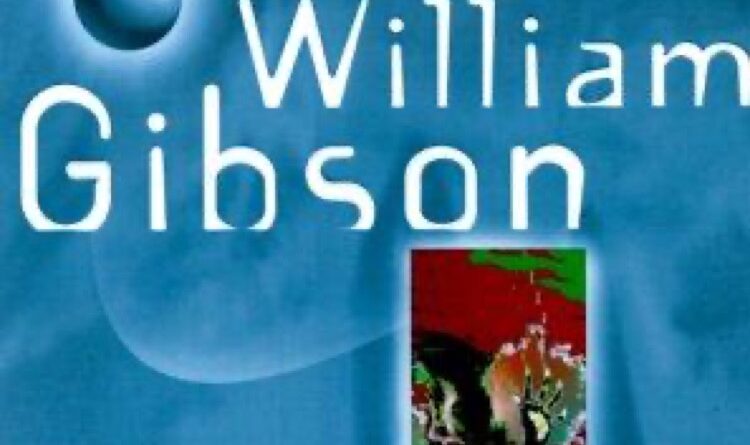
Image: Amazon
The Intel
- Title: Neuromancer
- Author: William Gibson
- Published: 1984 (Ace Books)
- Series: Sprawl Trilogy, Book #1 (followed by Count Zero and Mona Lisa Overdrive)
- Goodreads Rating: 3.9/5 stars from 17,800+ reviews
- Awards: Won the Hugo, Nebula, AND Philip K. Dick Awards (the sci-fi triple crown)
- Audiobook: Current version narrated by Robertson Dean (10.5 hours). Legendary out-of-print Arthur Addison cassette version is highly sought after by fans.
- Genre: Cyberpunk, science fiction
What I Found (The Legwork)
I spent my recent research sessions reading through hundreds of Goodreads reviews, Reddit threads, and r/scifi discussions. What I found is a book that readers respect far more than they enjoy.
The “I Loved It But Hated Reading It” Phenomenon
Here’s the most common sentiment I tracked down: “I really loved ‘Neuromancer’, but I HATED reading it.” That’s a direct quote from Reddit, and it summarizes about 40% of the reviews I waded through. People praise Gibson’s world-building—the neon-soaked streets of Chiba City, the corporate-controlled sprawls, the Matrix (yes, he used that term first)—but nearly everyone admits the prose is a slog. One Goodreads reviewer named Sandi called it “a very convoluted novel” where “Gibson utterly fails at making any of the characters or settings come to life.” Another reader on Reddit admitted: “While I really liked the world building, the atmosphere, the overall theme with rogue AI etc. I was confused as hell.”
Translation: Gibson built an incredible sandbox and then forgot to put any human beings in it.
The Characters Nobody Cares About
Our protagonist, Case, is a washed-up hacker whose nervous system got fried by his former employers. He teams up with Molly, a street samurai with retractable razor blades under her fingernails (cool concept, zero personality). They’re hired by a mysterious AI named Wintermute to… do hacker stuff. That’s the plot. Goodreads user Emily May nailed it: “There’s zero emotional depth to his character, making it hard to care about his fate. These people did not feel real to me.” Another reviewer, E.B., complained that “Gibson makes it up as he goes along. He’ll introduce a character, barely describe him and then 10 chapters later toss in another description.”
Multiple Reddit users pointed out the same issue: characters feel like cardboard cutouts Gibson moves around his dystopian chessboard. You’re supposed to be impressed by the world, not attached to anyone in it.
The Audiobook Debate
Now, if you’re thinking about the audiobook narrated by Robertson Dean, here’s what readers say: it’s competent but doesn’t elevate the material. The real legend? The Arthur Addison cassette version from the ’80s, which is out of print and going for collector prices. One Redditor called it “how I like to experience my Neuromancer.” Another said the Arthur Addison version was “1,000x better than the Robertson Dean version.” If you can track down Addison’s performance, apparently it’s worth it. Otherwise, you’re stuck with Dean, who gets the job done without magic.
The Time Capsule Problem
Multiple reviewers on Reddit noted: “It’s definitely a great novel, but it doesn’t stand up to modern scrutiny like some classics in the genre.” Another Redditor pointed out: “The concepts are incredible and the story is waaaaaay ahead of its time. The execution leaves something to be desired.” Gibson wrote about cyberspace in 1984—before most people owned a computer, before the internet existed as we know it. That’s visionary. But reading it now? The tech that was revolutionary feels quaint. The “Matrix” he describes is clunkier than a 1990s screensaver.
What’s Missing From The Conversation
Here’s what I couldn’t find: passionate fandom. No robust BookTok presence. No viral TikToks of readers sobbing over Case and Molly’s relationship. The YouTube coverage exists but it’s academic—video essays about “the birth of cyberpunk” rather than “this book destroyed me emotionally.” The love for Neuromancer is intellectual, not visceral. People study it. They don’t obsess over it.
My Analysis (Based On The Evidence)
This book’s reputation is bigger than the reading experience. Neuromancer gets credit for inventing a genre, coining “cyberspace,” and predicting the internet. All true. But that doesn’t mean reading it in 2026 is enjoyable. It means Gibson was a prophet, not necessarily a great storyteller.
Readers finish it out of obligation, not pleasure. The review pattern is consistent: “I pushed through,” “I forced myself,” “it took three tries before I got it.” One Goodreads reviewer admitted it took him three readings over years before he finally “got it” and loved it. That’s not a ringing endorsement—that’s Stockholm Syndrome.
The prose is a feature, not a bug (but still annoying). Gibson writes in dense, jargon-heavy bursts. He doesn’t hold your hand. You’re dropped into Chiba City with zero exposition and expected to figure it out. Some readers find this immersive. Most find it exhausting.
The Arthur Addison audiobook is the holy grail. If you’re going audio, track down the Addison version. It’s out of print, but fans swear by it. The Robertson Dean version works, but it’s the difference between a craft cocktail and well vodka.
It influenced everything you love, but that doesn’t mean you’ll love it. The Matrix trilogy, Ghost in the Shell, Blade Runner 2049, every cyberpunk aesthetic on Pinterest—they all owe Gibson a debt. But influence doesn’t equal enjoyment. You can respect a book’s legacy without finishing it.
The Question Nobody’s Asking
Why did Gibson write characters this flat? Here’s my theory: he didn’t care about them. Gibson was obsessed with the world—the tech, the corporations, the grime, the cyberspace. Case and Molly are just vehicles to tour that world. They’re not meant to be people you love. They’re lenses. And if that doesn’t work for you as a reader, you’re going to have a bad time.
The Verdict
Read if: You want to understand where cyberpunk came from, you love dense worldbuilding over character development, or you need to check off a “classics” list.
Skip if: You need emotional stakes to stay invested, you hate jargon-heavy prose, or you read for characters rather than concepts.
Start with the audiobook if: You’re intimidated by Gibson’s style. Robertson Dean will at least keep the pace moving, even if he can’t inject life into hollow characters.
Fair warning: This is homework disguised as a novel. It’s important, groundbreaking, historically significant—and kind of a slog. That’s what the discourse looks like from here.
The Cocktail: The Ghost in the Machine
Ingredients:
- 2 oz silver tequila (because Case needs something harsh to wake him up)
- 1 oz blue curaçao (for that neon Matrix glow)
- 0.5 oz fresh lime juice
- 0.5 oz agave syrup
- 1 dash absinthe (the wormwood adds a hallucinogenic edge, which feels right)
- Activated charcoal powder (for the rim, because we’re going full cyberpunk aesthetic)
Instructions: Wet the rim of a chilled coupe glass and dip it in activated charcoal powder. Shake all liquid ingredients with ice until dangerously cold. Strain into the glass. Garnish with a twist of lime peel shaped like a circuit board (or just a regular twist if you’re not that extra).
Tasting notes: Bright, sharp, slightly bitter, with an aftertaste that lingers longer than you’d like. Much like the book itself.
The Bottom Line
The internet’s consensus is clear: Neuromancer is a masterpiece you’ll respect more than enjoy. Groundbreaking in 1984. Essential reading for cyberpunk fans. But if you bail halfway through, you’re not alone—you’re just honest. That’s what the discourse looks like from here.
Got intel on a book the internet can’t stop talking about? Drop it in the comments. If I cover it, you get credit. If you waste my time with garbage, I’ll roast you publicly. Those are the rules.