When HBO Takes Your Book and Makes It Actually Interesting
Here’s the situation: a southern vampire mystery from 2001 that sat quietly on paranormal romance shelves until HBO turned it into True Blood in 2008, at which point millions of viewers binged seven seasons of blood, sex, and Southern Gothic weirdness, then picked up the source material and thought “…wait, THIS is what I just watched?”
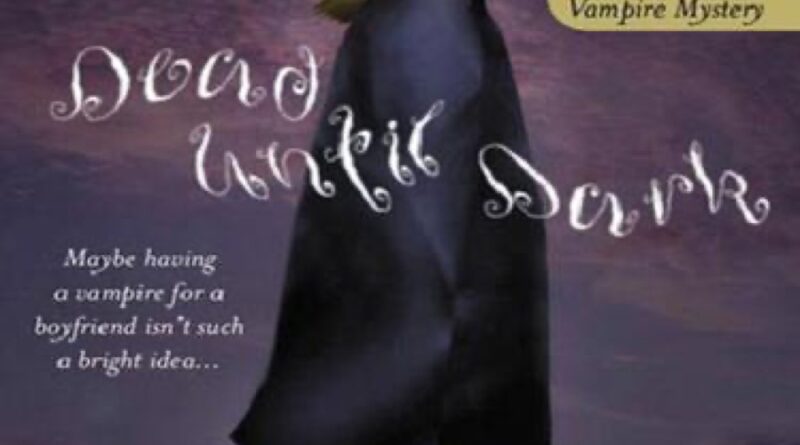
Dead Until Dark by Charlaine Harris launched the 13-book Sookie Stackhouse series about a telepathic waitress in Louisiana who falls for a vampire named Bill Compton. The show True Blood took these characters, dialed everything up to 11, added buckets of gore and explicit sex, and created a phenomenon. The books? They’re… a different vibe.
When readers consistently say “the show is better than the book”—and mean it as a legitimate assessment rather than snobbery—I need to understand what happened.
Time to dig through what the internet actually thinks about the original text versus the adaptation.
THE INTEL
Here’s what we’re working with:
- Book: Dead Until Dark by Charlaine Harris
- Published: May 1, 2001
- Series: Sookie Stackhouse / Southern Vampire Mysteries, Book 1 (13 books total, ended 2013)
- Goodreads Rating: 4.00 stars with 485,000+ ratings and 21,400+ reviews
- Amazon: Available in mass market paperback, hardcover, Kindle, and audiobook
- Audiobook: Narrated by Johanna Parker (Audie Award winner)
- Genre: Urban fantasy, paranormal romance, mystery
- TV Adaptation: True Blood (HBO, 2008-2014), 7 seasons starring Anna Paquin and Stephen Moyer
- Core premise: Vampires “come out of the coffin” after synthetic blood is invented, allowing them to live openly among humans
WHAT I FOUND (THE LEGWORK)
I researched reader opinions on Goodreads, Amazon, and Reddit.goodreads.com/book/show/301082.Dead_Until_Dark”>21,000+ Goodreads reviews, Amazon ratings, and Reddit discussions on r/TrueBlood. The pattern that emerged was fascinating: massive polarization based almost entirely on whether you watched the show first.
The “Guilty Pleasure Perfection” Camp
Readers who discovered the books before the show—or who never watched True Blood—tend to love them. Goodreads reviewer Emily May summarized: “They are not the best written and occasionally we get a little too much of what we don’t care for…but amid the hot vamp sex and murder mysteries… who really notices those anyway?”
The appeal for this group: light, fast-paced, addictive series with a likeable protagonist and an interesting supernatural Louisiana setting. Multiple five-star reviews use phrases like “guilty pleasure,” “beach read,” and “can’t put it down.” Reviewer Jennifer confessed: “I opened up the book and kinda regreted it…But I never stop reading a book once I start so I bravely forged ahead. And suddenly I stopped laughing and the pages started turning.”
The audiobook narrated by Johanna Parker gets consistent praise across platforms, with Parker winning an Audie Award for her Southern accent work on the series.
The “True Blood Did It Better” Majority
Then there are the readers who came to the books after watching True Blood, and they are NOT impressed. Goodreads top reviewer Vanessa wrote: “Light? Yes. Trashy? Oh yes…It is hard to say what I disliked more about this book – the sophomoric writing, or the annoying, vapid, 2-d, Harlequin-romance-heroine-helpless-twit persona of Sookie Stackhouse.”
But then she updated her review after watching the show: “After having viewed the first two episodes of the HBO series ‘True Blood’, I can now understand why people have gone bananas over this series of books. The show…is exceptionally good, thanks to a great cast and the writing talents of Alan Ball, who has turned a sow’s ear into a silk purse.”
Reviewer Sean Barrs agreed: “The television show True Blood was better than this in every sense; it completely transcended it…The show took Charlaine Harris’s book and made the story better; it made it sexy and scary.”
The consistent complaint? The book is BORING. Not bad necessarily—just boring. Tepid. Lacking the energy and danger that the show delivered.
What The Show Changed
True Blood transformed basically everything:
Characters: Book Bill is “a bit boring…more computer geek than vampire solider” according to multiple reviews. Show Bill is brooding, dangerous, and complicated. Book Sookie spends pages describing her grooming routine. Show Sookie is tougher and less naive.
Side characters: Tara (Sookie’s best friend in the show) barely exists in the books. Lafayette (the fabulous cook) has a tiny role. Reviewer Trin noted: “the two most interesting characters on the show…either completely don’t exist or have only the tiniest of roles.”
Tone: The book is cozy paranormal mystery. The show is dark, violent, explicitly sexual southern Gothic with heavy social commentary.
Elvis: Both book and show have Vampire Elvis. Yes, really. This is not a drill.
The Writing Style Divide
The most repeated criticism across hundreds of reviews: excessive mundane detail. Reviewer Sarah summarized: “There is only so much I can read about Sookie’s daily life: taking a shower, shaving her legs, plucking her eyebrows, putting on body lotion and deodorant… Seriously? We also get to find out about fascinating stuff like her job at the bar or Bill’s shopping habits: he gets his ‘khaki Dockers, green and brown striped golfing shirt, polished loafers, and thin brown socks’ from Dillard’s.”
The sex scenes get roasted consistently. One review noted: “I don’t think I’ve ever read such boring, unexciting, ridiculous, badly written sex scenes.” Another: “Sookie & Bill kissing and having sex is about as unsexy as it gets.”
Platform-Specific Intel
Reddit Verdict: A 2012 Reddit post on r/TrueBlood is titled “Debating whether to read the books? You’ve seen every episode of True Blood? Skip the first book.” The thread consensus: if you loved the show, the books will disappoint.
Show Fans vs Book Fans: Reddit discussions show ongoing debates about “Book Sookie vs Show Sookie,” with most agreeing they’re fundamentally different characters.
Series Trajectory: Both book series and TV show declined in later installments. Reddit threads note that True Blood “wasn’t even True Blood anymore after season four” when it stopped following the book plots.
What’s MISSING
No significant critical literary attention despite 13 books and a massively successful TV adaptation. This stayed firmly in the commercial fiction/genre fiction ghetto. The show got Emmy nominations and think pieces; the books got Goodreads reviews.
MY ANALYSIS (BASED ON THE EVIDENCE)
Alan Ball saved these books’ reputation. The True Blood creator took a cozy paranormal mystery series and transformed it into prestige TV. Without the show, this series would have remained a modest urban fantasy success. With it, Harris became a bestselling author whose books couldn’t match what readers expected based on the adaptation.
The writing is the problem, not the premise. Multiple reviews praise the world-building and concept while tearing apart the execution. Vampires “coming out of the coffin” with synthetic blood is genuinely clever. The mystery plots work. Sookie’s telepathy creates interesting complications. But the prose is flat and the pacing drags.
“Guilty pleasure” only works if you don’t know better. Readers who picked these up in 2001 before prestige urban fantasy existed found them fun and addictive. Readers who came after True Blood, Twilight, and a decade of improved paranormal fiction found them lacking. The books didn’t change; the genre did.
The Johanna Parker audiobook is the superior format. Her Audie Award-winning narration adds energy and personality that the text itself doesn’t provide. Multiple reviews specifically recommend the audio over print.
Bill Compton deserved better. The show made him interesting (at least for a few seasons). The book made him a bland vampire boyfriend who shops at Dillard’s and has no personality beyond “protective and slightly boring.” No wonder readers preferred Eric.
THE QUESTION NOBODY’S ASKING
Why didn’t HBO’s success push Harris to revise or improve the series?
Between 2008-2014, True Blood was a cultural phenomenon. Harris was publishing new Sookie books the entire time the show aired. She could have elevated her prose, added complexity, or incorporated what made the show work. Instead, the books stayed exactly what they’d always been: light paranormal mysteries with tepid romance. The show grew up; the books never did.
THE VERDICT
Read if: You want light, fast paranormal mystery and haven’t watched True Blood, you love Southern settings, or you’re studying how TV adaptations can surpass source material.
Skip if: You loved True Blood and expect that level of intensity, you need strong prose and characterization, or you hate detailed descriptions of mundane daily activities.
Watch True Blood instead if: You want the actually interesting version of this story—at least through Season 4.
Try the audiobook with Johanna Parker if: You’re going for the books at all—her narration fixes a lot of the flat prose issues.
Fair warning: Reddit explicitly recommends skipping Book 1 if you’ve seen the show. The books and show diverge more with each installment.
THE COCKTAIL
The Synthetic Blood
(Looks like the real thing, doesn’t have the same kick)
- 2 oz vodka (clear and strong, like Sookie’s telepathy)
- 1 oz Chambord (for the blood color)
- 2 oz cranberry juice (more blood vibes)
- Splash of grenadine (to really drive home the red)
- Garnish with a plastic fang (commit to the theme)
Shake with ice, strain into a rocks glass. It looks dramatic and vampire-appropriate. Tastes like a mildly alcoholic cranberry juice. Disappointing if you were expecting True Blood levels of intensity.
Tasting notes: All aesthetic, minimal substance. Will get you buzzed eventually but you’ll wonder why you didn’t just pour straight vodka and call it a day.
THE BOTTOM LINE
Dead Until Dark is a 2001 urban fantasy with 4.00 stars on Goodreads from 485,000+ ratings showing massive split between “guilty pleasure” and “boring.” HBO’s True Blood (2008-2014) transformed it into prestige TV. Reddit explicitly recommends watching the show instead. Johanna Parker’s audiobook is the preferred format for those who insist on reading.
Got a book where the TV/movie adaptation is legitimately better than the source? Drop links comparing specific scenes, character development, or plot changes. Vague “I preferred the show” opinions without receipts get ignored.