When You Love The Book But Hate The Author: A Case Study
Here’s the ethical dilemma I tracked down: a beloved 1985 sci-fi novel that won every major award, inspired a generation of readers, and launched one of the genre’s most successful series—written by an author who became increasingly vocal about his opposition to LGBTQ+ rights, eventually sparking boycott campaigns of the 2013 movie adaptation.
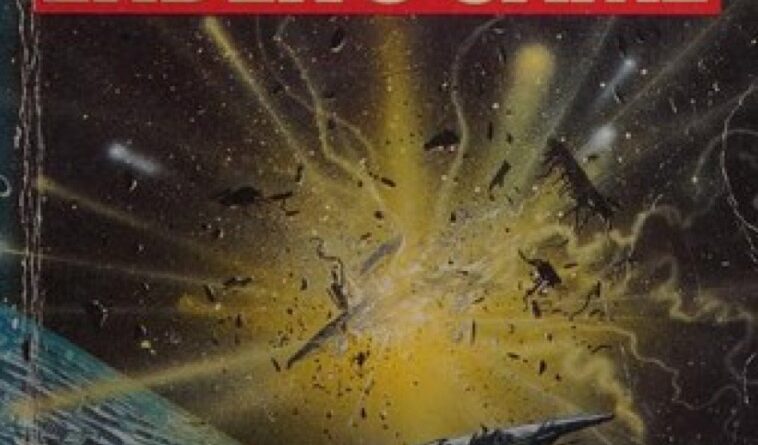
Ender’s Game by Orson Scott Card is the book that poses the ultimate “can you separate art from artist?” question. It’s genuinely good science fiction. It’s also written by someone who publicly opposed same-sex marriage, served on the board of the National Organization for Marriage, and published essays arguing that homosexuality could be criminalized.
When Geeks OUT organized boycotts of the 2013 movie and Lionsgate publicly distanced itself from Card’s views, readers had to decide: keep loving the book or reject it based on who profits.
Time to dig through how readers navigate this minefield.
THE INTEL
Here’s what we’re working with:
- Book: Ender’s Game by Orson Scott Card
- Published: 1985 (novel); originally 1977 (novella)
- Series: Ender’s Saga (5 books) + Shadow series (5 books) + more
- Goodreads Rating: 4.31 stars with 1.4 million+ ratings and 54,000+ reviews
- Awards: Hugo (1986), Nebula (1985)
- Movie: 2013 adaptation (underperformed commercially, likely due to boycotts)
- Genre: Military sci-fi, space opera
- Core premise: Gifted children trained in orbital battle school to fight alien “Buggers”
- The Controversy: Author’s documented opposition to LGBTQ+ rights and same-sex marriage
WHAT I FOUND (THE LEGWORK)
I tracked down reader reactions and news coverage.goodreads.com/book/show/375802.Ender_s_Game”>54,000+ Goodreads reviews, news coverage of the 2013 boycott, and tracking how readers reconcile loving a book by an author whose views they find reprehensible. The patterns are stark and emotionally charged.
The “Book Is Brilliant, Author Is Terrible” Majority
Many readers give this 5 stars while explicitly condemning Card. Author Mark Lawrence’s review represents this camp: “I’ve heard since all manner of ‘stuff’ about the author but what’s true and what isn’t I don’t know and I’m not here to critique the man behind the keyboard. All I can do is report on the contents of the book.”
He praises the book’s messages about equality and inclusion of female and Muslim characters as “fairly progressive for 1985.” The irony of Card writing progressive fiction while holding regressive personal views isn’t lost on readers.
The book itself contains themes of empathy, understanding the “other,” and the tragedy of war based on misunderstanding. Many readers note that these themes feel at odds with Card’s real-world stances.
The “I Can’t Separate Them” Opposition
Goodreads reviewer Kat DNF’d at 52%, writing: “Just for this author’s personality, this book deserves one star…I’m not going to waste my time with a book written by a sexist, homophobic, dickwad.”
She also flagged sexism within the text itself: “‘Too many centuries of evolution are working against them’ [regarding women in the military]… This is the 21st century, genius. Women work. Women are in the army. Get your head out of your ass and look around.”
Multiple critical reviews note that Card’s personal views DO leak into the text through casual misogyny and the absence of LGBTQ+ characters in a future that should be more diverse.
The 2013 Boycott Campaign
When the movie adaptation released, Geeks OUT launched “Skip Ender’s Game” campaigns in multiple US cities. The group called Card’s views “anti-gay” and urged fans not to financially support him.
Lionsgate publicly distanced itself from Card’s opinions in an unprecedented move. Card responded asking for “tolerance” of his views, which many found rich given his writings arguing homosexuality should be illegal.
The movie underperformed commercially. While other factors played a role, the boycott demonstrably affected ticket sales and media coverage.
The “It’s Actually Not That Good” Contrarians
Some reviewers use the controversy as license to admit they never liked the book. Reviewer R wrote: “I loathed Ender’s Game…one of sci-fi’s most beloved and highly regarded novels did not do it for me.”
Their criticisms: repetitive plotting (battle games over and over), lack of characterization, Ender never loses (too perfect), the Demosthenes/Locke subplot about kids taking over the world via blog posts is ridiculous, and the “twist ending” is predictable.
Multiple reviews note that removing the author controversy, the book still has problems: kids acting like adults, violence between children treated casually, paper-thin characters who exist only to be obstacles or supporters for Ender.
The Library/Used Book Compromise
Many comments suggest: “Get it from the library” or “Buy it used” so Card doesn’t profit. This became the standard recommendation post-2013—read the culturally significant book without financially supporting the author.
Platform-Specific Intelligence
Wikipedia Documents It: Card’s Wikipedia page has an entire section on the controversy, citing his essays, political activities, and the boycott campaign. This isn’t rumor—it’s documented public record.
NPR Covered The Boycott: 2013 coverage framed it as a significant cultural moment about whether art can be separated from problematic creators.
Recent articles continue: A 2022 piece notes Card “has published homophobic, transphobic, and racist propaganda,” showing the controversy hasn’t faded.
MY ANALYSIS (BASED ON THE EVIDENCE)
The book IS good, which makes the dilemma harder. If Ender’s Game were mediocre, this would be easy—just don’t read it. But it won the Hugo and Nebula, influenced a generation of sci-fi writers, and genuinely explores interesting ideas about empathy and war. That quality makes the ethical choice more complicated.
Card’s views ARE well-documented and extreme. This isn’t “he said something problematic once.” He actively opposed LGBTQ+ rights, served on anti-marriage-equality boards, and published essays arguing for criminalization. Readers who say “separate art from artist” are making a conscious choice to ignore substantial harm.
The boycott arguably worked. The 2013 movie underperformed despite A-list cast (Harrison Ford, Asa Butterfield) and strong source material. Public distancing from the author affected commercial success.
The library/used book compromise is common. Post-2013, the standard advice became “read it without paying Card.” This acknowledges cultural significance while refusing to financially support his politics.
The irony is pointed. A book about understanding aliens and the tragedy of xenocide, written by someone who publicly advocated against LGBTQ+ rights, creates uncomfortable cognitive dissonance readers must navigate.
THE QUESTION NOBODY’S ASKING
Would anyone still be reading this if Card had written nothing else?
The book is good, but its continued prominence owes much to Card’s extensive series expansions. He built an empire on Ender’s Game success. Boycotting requires rejecting not just one book but an entire literary universe that employs publishers, editors, artists. The ethical calculation compounds.
THE VERDICT
Read if: You can separate art from artist, you’re okay with library/used copies to avoid supporting Card financially, or you’re studying sci-fi history and need cultural literacy.
Skip if: You cannot in good conscience read work by someone with documented anti-LGBTQ+ activism, even the book’s themes feel tainted by knowing the author’s views, or you’re exhausted by having to make these choices.
Library/used book compromise if: You want to read this culturally significant work without financially supporting Card—this became the standard post-boycott solution.
Watch the movie instead if: It flopped, so Card made less money from it. Though that might make you feel worse about the wasted potential.
Fair warning: You will have to decide where you stand on the “separate art from artist” debate. This book forces that reckoning.
THE COCKTAIL
The Separated Layers
(Components don’t mix, just like trying to separate art from artist)
- 1.5 oz grenadine (bottom layer – the problematic foundation)
- 1.5 oz orange juice (middle layer – the good stuff you came for)
- 1.5 oz vodka (top layer – the clear choice you have to make)
Pour carefully in order to keep layers separated. They LOOK separated. Take one sip and they mix immediately, reminding you that separation was always an illusion. You’re consuming all of it together whether you want to or not.
Tasting notes: Looks pretty, philosophically uncomfortable, impossible to drink without mixing the layers and confronting what you’re actually consuming.
THE BOTTOM LINE
Ender’s Game is a 1985 Hugo/Nebula winner with 4.31 stars on Goodreads from 1.4 million+ ratings. Author has documented anti-LGBTQ+ activism. 2013 boycott campaign organized by Geeks OUT. Common advice: library/used copies to avoid supporting Card financially.
Got a beloved book by a problematic author where readers are split on whether to keep reading? Drop links to the documented controversies and the “separate art from artist” debates. Vague “I heard he’s bad” claims get ignored. Bring receipts.